
"best Ethiopian coffee"
4000 article(s) found

What does Ethiopian outbound coffee mean? what coffee tastes best in Ethiopia?
Professional coffee knowledge exchange more coffee bean information please follow the coffee workshop (Wechat official account cafe_style) Ethiopia, as a big coffee growing country in Africa, has a large output, of course, because of its high altitude, the volcanic soil in the volcanic area is rich in nutrition, great temperature difference between day and night, and rich precipitation, so the quality of Ethiopian coffee has always been guaranteed, flavor,

Ethiopian coffee beans
Ethiopia (Ethiopia) is one of the major producers of Arab coffee beans in Africa, producing the best Arab mocha beans in the world. It is said that coffee beans were first discovered by shepherds in the Kafa region of Ethiopia, and the name of coffee evolved from Kafa, so Ethiopia is still the hometown of coffee. Production and processing of coffee beans in Ethiopia
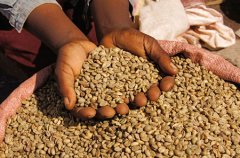
Ethiopian boutique coffee introduces Ethiopian boutique coffee to grow African Arabica coffee
Ethiopia is one of the major producers of Arabica coffee in Africa, producing the best Arabian coffee in the world. It is said that coffee was first discovered by shepherds in Essekafa, and the name of coffee evolved from Kafa, so Essex is still the hometown of coffee. The geographical environment of coffee production and processing is very suitable for coffee growth. Coffee is mainly cultivated.

Ethiopian Coffee Flavor Flavor Manor introduces Ethiopian Coffee varieties
Washed coffee accounts for 35% of exports. Good quality washed coffee is processed with freshly picked fully ripe fruit, picked carefully and closely monitored by professionals. The picked clean coffee beans are pulped on the day of picking, then fermented, washed, dried and peeled. The humidity of processed coffee beans is kept at about 12%. Sun-cured coffee accounts for 65% of exports. Mainly by
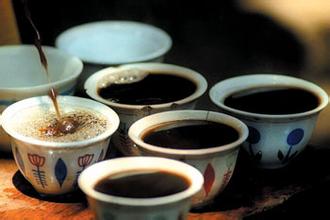
Ethiopian coffee is the most popular coffee in the world.
Ethiopia is one of the major producers of arabica coffee in Africa and produces the best arabica coffee in the world. It is said that coffee was first discovered by shepherds in Ethiopia, and the name of coffee evolved from Kafa, so Ethiopia is still the hometown of coffee. The natural characteristics of Ethiopian coffee beans include large

Ethiopian Geisha/Rosedale Manor 3rd Harvest Season Best Rosedale Coffee in the World
Professional barista communication, please pay attention to coffee workshop (Weixin Official Accounts cafe_style) Willem Boot's coffee farmer dream and geisha root-seeking journey must be impressed deeply. The appearance of this bean should be said to be long-awaited. Adam Overton, the owner of the estate, is a thoroughly American documentary filmmaker by profession and his wife Rachel Sa.
Ethiopian coffee beans Mocha coffee beans
Ethiopia (Ethiopia) is one of the major producers of Arabica coffee beans in Africa and produces the best Arabica mocha beans in the world. It is said that coffee beans were first discovered by shepherds in the Kafa region of Ethiopia, and the name of coffee evolved from Kafa, so Ethiopia is still the hometown of coffee. Production and processing of coffee beans Ethiopia

Do you know what the Ethiopian sunburn cherry project is? what does Yega Xuefei mean?
Professional coffee knowledge exchange more coffee bean information please follow the coffee workshop (Wechat official account cafe_style) front street-Yega Xuefei Red Cherry Project introduction to coffee lovers should know that Ethiopia is the birthplace of coffee, the English word coffee comes from the small town of kaffa in Ethiopia. Ethiopian coffee varieties are local coffee varieties and are also introduced.

Harald coffee beans harar Ethiopian mocha coffee beans
Ethiopia is the first country in the world to grow coffee and maintain the oldest coffee culture. So far, it is still grown in small-scale families and maintains very traditional and ancient coffee growing techniques and methods, so pesticides and other chemical fertilizers will never be used, so Ethiopian coffee, like Yemeni mocha coffee, is the best choice for those who advocate nature.
Ethiopian Sidamo Sun treatment Lion King's own baked Ethiopian Sidama Black Coffee
Ethiopia has two of the best producing areas, Yiragcheffe and Sidamo. Sidamo is located in a plateau region south of Ethiopia. Sidamo has a balanced acidity and moderate consistency. In Ethiopia, people usually have a cup of mocha coffee for breakfast to replenish the spirit and vitality of the day. As Ethiopia's classification system is still very backward,
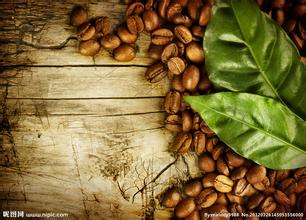
Introduction to Ethiopian Coffee Grade
Grade of Ethiopian coffee: Ethiopian washed coffee Yega Chuefei G1 G2 Sidamo (Yirgacheffe, Sidamo) has the highest grades 2 and 3 (G2, G3), while sun-processed coffee in eastern Ethiopia is mostly grade 4 or 5 (G4, G5). In many cases, level 4 coffee is marked as level 5 in order to reduce taxes. At present, the classification is not uniform and there are

A brief introduction to the History and Culture of the Origin and Development of Coffee beans in Harald Moka Manor in Ethiopia
Ethiopia has unique natural conditions suitable for growing all imaginable varieties of coffee. As a highland crop, Ethiopian coffee beans are mainly grown in areas between 1, 100 and 2300 meters above sea level, roughly distributed in southern Ethiopia. Deep soil, well drained soil, weakly acidic soil, laterite and soil are soft and contain
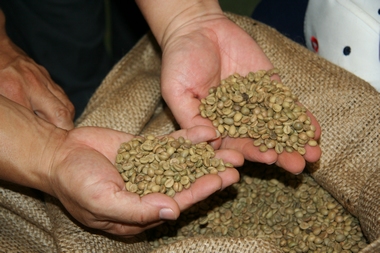
The main producing areas of coffee are in southern Brazil and Ethiopian highlands. Ethiopian coffee imports pass.
Ethiopia is one of the major producers of Arabica coffee in Africa, producing the best Arabian coffee in the world. It is said that coffee was first discovered by shepherds in Essekafa, and the name of coffee evolved from Kafa, so Essex is still the hometown of coffee. The geographical environment of coffee production and processing is very suitable for coffee growth. Coffee is mainly cultivated.

Introduction to the characteristics of High-quality Coffee produced by the Grinding degree treatment method of Ethiopian Coffee Manor
Grade of Ethiopian coffee: Ethiopian washed coffee Yega Chuefei G1 G2 Sidamo (Yirgacheffe, Sidamo) has the highest grades 2 and 3 (G2, G3), while sun-processed coffee in eastern Ethiopia is mostly grade 4 or 5 (G4, G5). In many cases, level 4 coffee is marked as level 5 in order to reduce taxes. At present, the classification is not uniform and there are

World boutique coffee farm beans; Harald mocha (part 1) in Ethiopia has a delicate and rich taste
[product name]: Ethiopia Harald Mocha (Ethiopia Harar Mokha) [quality rating]: DP Grade 4 [baking]: recommended moderate baking (Medium Roast or City Roast) [grade]: excellent [granule]: ★ full [acidity]: ★★★★ slightly sour, dark chocolate aftertaste [balance]: ★★★★ is very stable

The birth process of Ethiopian boutique coffee how Ethiopian boutique coffee was born
Coffee forests in Ethiopia's Balle National Park in eastern Africa are as high as 2000 meters above sea level. The coffee rich here was named one of the five best coffees in Africa in 2012. Coffee grows naturally here and is still picked and collected by a small group of about 5000 local people. Decades ago, the first road was built here to bring the coffee forest, which had been isolated, closer.

Ethiopian Coffee Manor with rich taste introduces the taste of Ethiopian coffee producing areas
Harald coffee, which grows within 900m from the Darolebu plain to 2700 m from the highland mountain range of Chercher in eastern Ethiopia. These mountains do provide unique characteristics for these perennial coffee beans: the fruit is full and long, moderately acidic, and the typical mocha is refreshing.

Why is Ethiopian coffee made by hand? why is it good to drink Ethiopian coffee? is the growing environment good? the characteristics of Ethiopian coffee
For more information on coffee beans, please follow the coffee workshop (Wechat official account cafe_style) Ethiopia's perfect coffee growing environment there is great potential for coffee production in Ethiopia due to high altitude, ample rainfall, suitable temperature, suitable planting materials and fertile soil. In addition, this country has special value to the world because

Introduction to the characteristics of flavor and taste of Ethiopian coffee manor with acidity and texture
Ethiopia's coffee grading and quality control system has two main indicators: visual inspection and cup evaluation, including the color, cleanliness, origin, taste and characteristics of coffee beans. The export rating is marked by simple numbers, with the best washed coffee at level 5 and the best sun-cured coffee at level 4. After grading, mark the place of origin and then export. Usually the export is paid by letter of credit.

Ethiopian coffee beans
Ethiopia (Ethiopia) is one of the major producers of Arab coffee beans in Africa, producing the best Arab mocha beans in the world. It is said that coffee beans were first discovered by shepherds in the Kafa region of Ethiopia, and the name of coffee evolved from Kafa, so Ethiopia is still the hometown of coffee. Production and processing of coffee beans in Ethiopia